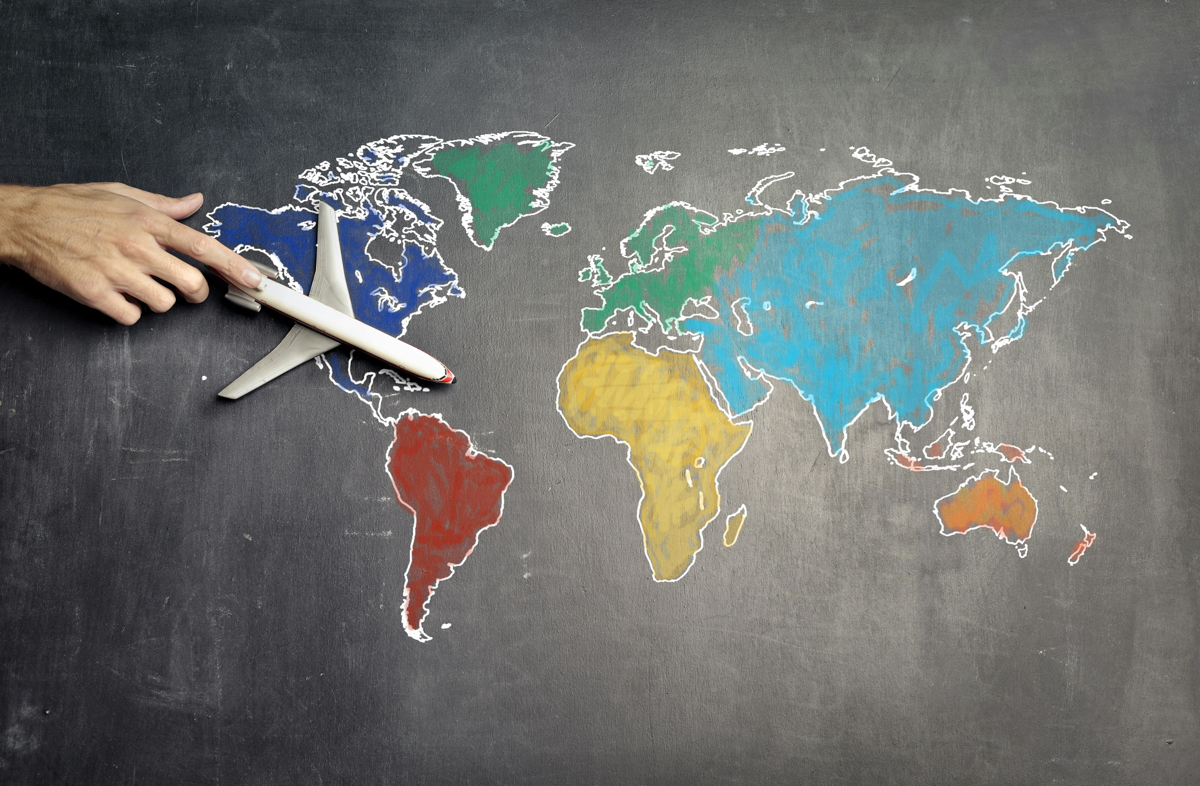
School gives students a starting point, yet real understanding grows when they step outside and test what they learned. Science and geography feel sharper when they touch soil, track shadows, or match ideas with what they see in real places. Exploration builds confidence. Curiosity widens. Concepts turn into daily insight rather than facts saved for exams.
Beyond the classroom, nature offers clues, maps reveal patterns, and digital tools open new angles of discovery. When students move between structured lessons and independent practice, the knowledge they gain becomes richer and far more personal.
Direct Observation Strengthens Scientific Think
Students remember more when they witness natural processes themselves. A walk through a park becomes a chance to track cloud formations, soil types, or water flow. Instead of relying on diagrams, they can compare plant species, measure shadows, or study how temperature shifts throughout the day. The habit of keeping a nature-notebook encourages them to record details and revisit earlier notes, which sharpens both memory and interpretation. Even short daily observations build pattern recognition and strengthen the connection between classroom lessons and the living environment.
These observations do not need complicated equipment. A hand lens, a small ruler, and a notebook transform ordinary surroundings into a miniature laboratory. Children who examine insects, leaves, or urban trees learn to ask sharper questions and propose clearer explanations. They gain a sense of ownership over their learning, something textbooks alone cannot deliver.
Digital Tools Expand Learning Opportunities Beyond the Classroom
Independent study becomes more accessible when students use technology to explore science and geography activities at their own pace. Many families introduce platforms that explain concepts through step-by-step instructions or interactive visuals. For example, virtual science labs allow students to simulate experiments safely and observe results instantly. Some tools go further and track progress, highlight mistakes, or suggest next steps.
Others display real data from weather stations or satellites so students can compare their observations with accurate measurements. Besides, digital tools can support exploration not only in science and geography learn outside the classroom, but also in other subjects, including language learning, which is why some students extend their routine by using an ai tutor for languages which adapts lessons to individual skill levels and provides instant feedback. It focuses on helping learners master vocabulary, grammar, and comprehension through clear explanations and targeted exercises. Its structured system strengthens study habits that transfer well to independent scientific and geographic exploration.
Technology also broadens access to maps, simulations, and scientific models that strengthen spatial reasoning. Students who switch between field observations and digital tools learn to integrate information from multiple sources, a skill that supports deeper understanding and prepares them for future academic challenges.
Home Experiments Build Practical Understand
Hands-on work reveals how scientific principles operate in real life. Students can explore physics, chemistry, and earth science using household items. Short trials help them test cause-and-effect relationships and gather evidence they interpret on their own. Below are examples that create memorable experiences:
- Compare soil absorption using sand, clay, and garden soil.
- Track water evaporation by placing identical cups in different rooms.
- Demonstrate air pressure with a jar, warm water, and a balloon.
- Test how ice melts under various surfaces.
These activities encourage precise measurements, patient observation, and clear note-taking. Each experiment shows how small changes influence results, which supports critical thinking. Students learn that scientific investigation requires accuracy and perseverance rather than memorized formulas.
Home experiments also spark conversations within families. Parents often join the discussion, interpret unexpected results, or help search for explanations. This collective approach strengthens curiosity and turns everyday spaces into places where meaningful learning happens.
Independent Map Exploration Improves Geographic Skills
Geography becomes more exciting when students handle maps, analyze directions, and work with spatial data. Independent exploration helps students understand distance, scale, and regional differences with far more clarity than classroom maps alone.
Students can try several methods:
🔥 Click here to compare 2026 prices & availability at the bottom of this review.
- Study local maps to identify landforms, public spaces, and water systems.
- Compare historical maps with modern ones to trace how cities have expanded.
- Use online satellite tools to examine climate zones or vegetation patterns.
- Track global news and locate the countries mentioned to strengthen world awareness.
This hands-on geography practice creates an intuitive sense of place. Students learn why regions differ, how human activity shapes landscapes, and how natural forces influence settlement. They also improve direction-based problem-solving, which benefits travel, outdoor navigation, and future academic projects.
Field Notes Capture Real-World Patterns
Field notes help students translate observations into structured learning. A student who sits near a stream and writes about the water speed, the surrounding soil, and nearby plant life practices scientific description without formal lab equipment. The process builds precision and supports early analytical thinking.
Field notes can include sketches, temperature readings, or simple checklists. When students return to the same location weeks later, they notice changes. Seasonal shifts, erosion, wildlife movement, and water clarity become visible. Comparing entries strengthens long-term observational skills and helps students understand cycles in nature.
This method also assists visual learners. Sketches of landscapes or weather patterns improve memory and reveal relationships that may not appear immediately in photographs. Students develop their own system of documentation, which supports independence and strengthens the habit of scientific inquiry.
Interactive Platforms Connect Students to Global Knowledge
Interactive resources support students who want to explore science and geography deeply. Many museums and educational organizations provide virtual tours, live webcams, and guided data sets. Students can watch volcano monitoring, track ocean buoys, or view wildlife cameras in real time. These experiences show how professionals collect information and interpret global systems. For students such tools give special advantages to help them compare real data with classroom concepts and see scientific processes unfold naturally. They also build confidence because learners practice analysis with clear, reliable information.
Some platforms allow students to upload their own findings. For example, ecological citizen science projects invite users to record bird sightings, insect patterns, or plant growth. Students contribute to real research and learn how data becomes meaningful when organized at large scale.
Interactive environments also support students who want structured guidance but prefer flexibility. They gain skills in navigating databases, analyzing charts, and comparing time-series data. These practices reinforce classroom lessons and prepare them for more advanced scientific work.
Local Exploration Encourages Curiosity
Every neighborhood offers opportunities for discovery. Students who explore their surroundings learn how geography influences daily life. They might compare the direction of shadows on different streets, track how wind moves through alleyways, or study the slope of a hill that floods after rain. Simple observations lead to meaningful insights.
Trips to markets, public squares, or waterfronts reveal how human activity shapes geographical structures. Students learn why certain areas attract businesses, why others remain green, and how cultural patterns differ across regions. These real-world examples support deeper comprehension than abstract descriptions.
Walking also builds a sense of environmental responsibility. Students who understand their surroundings notice the importance of clean water systems, sustainable construction, and protected habitats. They see how small community choices influence the health of local ecosystems.
Creative Projects Reinforce New Knowledge
When students apply knowledge creatively, retention improves. Projects transform observation into understanding:
- Build a small model of a local landscape using soil, paper, and stones.
- Create a weather log with pressure readings and sky sketches.
- Design an illustrated timeline of the region’s geological history.
- Assemble a photo series showing erosion, color changes, or seasonal differences.
These activities mix science with art and push students to notice details and interpret them clearly. They show what students truly understand, not what they repeat from memory. Each project exposes how creativity, sharp observation, and careful analysis connect inside real scientific work.
Everyday Routines Support Ongo Learning
Students learn most effectively when they integrate small discoveries into daily life. Short routines make science and geography feel natural and enjoyable. A morning glance at the sky becomes a mini weather prediction practice. A look at water flow during a shower becomes an opportunity to imagine river systems. These simple moments strengthen awareness.
When families talk about what they notice—temperature, light, cloud movement—students begin to ask sharper questions. They recognize patterns, evaluate information, and connect multiple forms of evidence. These habits support academic achievement without strict lesson structures.
The best learning environments encourage action. Students who stay curious, take notes, and test their ideas understand concepts more deeply than those who rely only on classroom instruction.
Conclusion
Science and geography gain power when students push past school walls and study the world directly. They observe small details, run simple experiments, write quick field notes, and use digital tools that reveal hidden patterns. When they mix structured lessons with their own investigations, their thinking sharpens and their skills expand. The line between classwork and real discovery fades.
Young people who explore their surroundings develop clearer scientific judgment, stronger spatial awareness, and a lasting drive to understand the world. The world itself becomes their unpredictable, vivid laboratory.