
 Mountain Weekly News CEO Mike Hardaker Checking Out a Potential Line to Ride in the Backcountry via a Splitboard | Photo Connor Burkesmith Mountain Weekly News
Faster, splittier, transition-ier: How to get quicker at splitboard transitions

Slow transitions from board to ski mode or vice versa are a perpetual source of disdain from our two planked brethren. Most splitboarders know the anxious feeling of nearing a switch-over spot while touring with a bunch of skiers, worrying you won’t be quick enough or you’ll fumble putting your skins on or your board back together resulting in your group heckling you, calling you a “slowboarder” and making you feel that you’ve let down all snowboarders everywhere.
Fortunately for you, despite what you may think, the majority of people don’t give a &%#$ if you’re a little slower on transitions. They’re probably eating a snack or talking and don’t even notice. Generally speaking, there’s always going to be someone in the group that’s quick and some that are slower. If you’d like to start working up the ranks towards being faster though here are some tips.
Practice Your Transitions

Fast transitions are compromised of a bunch of factors, but the main one is practice. The more you do something the more efficient and better at it you become. That motion of sliding your board halves together will become smoother and less awkward. Sliding your bindings on and off becomes a graceful fluid movement. Pulling skins becomes easier and less jerky. Practice is what will get you here. Keep touring and the more you do it the faster you’ll get.
Routine & Organizing Your Backpack

Routine & Pack organization
Knowing what order you do things in and what goes where in your splitboarding backpack will help you get faster. If you transition into board mode a different way every time you won’t develop that muscle memory. One time I take my skins off first, another time its my bindings, another time I put my down jacket on first. Being sporadic like this will contribute to being slow.
Figure out what order you like to do things in and what works for you and stick to that routine. Not just with your splitboard but all aspects of a transition, when do I change my layers, put my goggles on, have a snack etc. Get your routine dialed in and you’ll be faster.
Contributing to your routine is the organization of your pack. I like to keep my pack with all the same stuff in the same spots all the time. This means I always know where the thing I’m looking for is. Random haphazard jamming stuff in your pack makes it very hard to know where anything is and that makes it very hard to smoothly follow your routine. Figure out the most logical and intuitive spots in your bag to keep all your stuff.
What Gear to Bring
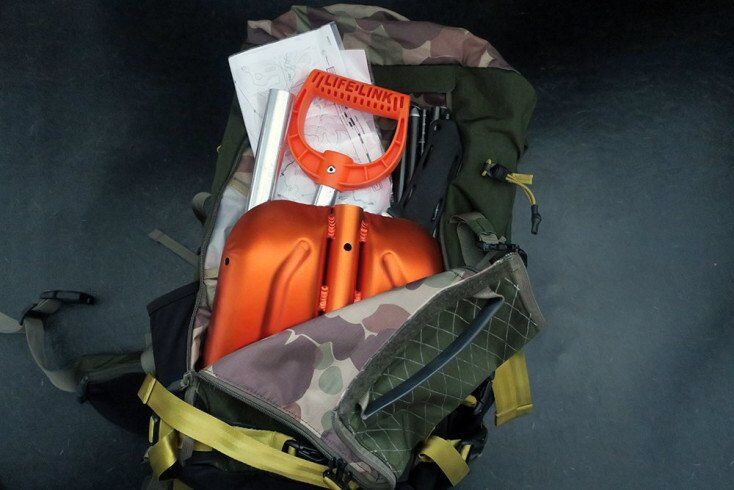
Different equipment can contribute to being faster or slower on a transition. If my backpack is super small and I have layers and stuff clipped all over the outside and the inside is packed so tight I can’t find anything without emptying it that’s some poor pack organization. If my tail clips on my skins are junk, or my glue on my skins is dead that’s guaranteed to make my transitions much slower.
You want gear that is reliable, intuitive and easy to use when you’re gasping for air soaked in sweat or frozen solid because you were soaked in sweat. (Ideally your gear should contribute to you not being soaked in sweat.
Hypothermia slows down transitions significantly) Get skins that are easy for you to attach properly, a pack that has a layout you like, a splitboard with clips that make sense to you, bindings that you like the attachment system on. There is no best specific product for this, it’ll be whatever personally works for you. For example I find a 32 Liter pack too tight for all the stuff I want to carry, and a 40 Liter pack too big so I always try to find something in the middle ground. Go touring a bunch and you’ll develop preferences which make it easier to hone in what gear you like to use.
Splitboard Touring Tips
- Small stuff sacks are a great way to keep the inside of your pack more organized and easier for you to see where things are instead of just having stuff loose.
- Guiding on hardboots I have to transition a lot, back and forth between ski and board mode constantly. I put a caritool (a tool holder for mountaineering/ice climbing) on my hip belt so instead of having to take my pack off to stash my bindings I can just clip them on to it. Started doing it just normal touring also. Makes transitions fast!
- Know what your groups plan is and if you’re doing another lap. Sucks to find out you were going to do another one when your wet snowy skins are now crunched in your pack. If its cold or you know you have questionable glue put your skins inside your coat for the ride down so they’ll be sticky when you go to put them back on.
- If you have to do a transition in very deep snow take the time to stomp a platform out for yourself. It may seem time consuming but it’ll make you faster in the long run
Why the Proper Gear is Important for Beginners and Pro’s Alike

To sum it all up, do the transition the same way every time, know your gear and avoid poorly designed junk, and practice! Don’t feel bad if you’re slower at transitions either, it takes time to get quicker. Even the super fast person in your group started somewhere.
🔥 Click here to compare 2026 prices & availability at the bottom of this review.
Related Articles on Splitboarding