
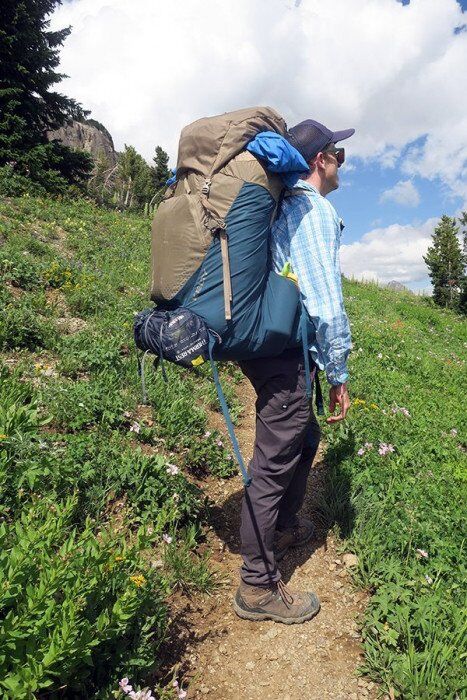
 Be Sure to Bring Your Camera Along to Help Document Your Travel Adventure | Photo Bridgette Takeuchi Mountain Weekly News
Balancing Exams and Adventure: Planning a Mountain Weekend During the Semester

College semesters rarely offer long breaks. Exams, coursework, and deadlines stack up fast, leaving students drained by midterm season. Still, stepping away for a short mountain weekend can help restore focus if it is planned with care. The key lies in timing, preparation, and honest limits.
A mountain trip during the semester is not about escape. It is about creating mental space without harming academic progress. When planned properly, even a short break can support study routines rather than disrupt them.
Trail Map
Why Short Mountain Trips Fit Academic Schedules
Unlike long-distance travel, mountain areas are often reachable within a few hours. This makes them suitable for weekends that do not interfere with lectures or exams. The slower pace and reduced noise also help students reset their attention span.
Many students report that quiet settings support clearer thinking after returning. That clarity matters during exam periods when focus drops easily. Mountains offer separation from campus pressure without demanding weeks away.
Choosing the Right Weekend Before Exams
The timing of a mountain weekend matters more than the destination. Students should review syllabi and exam calendars before booking anything. A break placed just after a major test or assignment deadline works best.
This planning step helps avoid last-minute stress. Some students also prepare coursework early or seek academic support ahead of time. In such cases, an essay writing service to boost your grades can help manage workload without adding pressure, especially when deadlines cluster tightly. Used responsibly, this option allows students to leave campus knowing tasks are under control.
Setting Academic Boundaries Before Leaving
A mountain weekend works best when academic expectations are clear. Students should decide in advance what work, if any, will be completed during the trip. For most, the goal should be mental rest rather than productivity.
Helpful boundaries include:
- Completing urgent tasks before departure
- Limiting study materials to light review only
- Avoiding new assignments during the trip
This approach prevents guilt and allows the break to serve its purpose.
Hotel Room Deals for Students
Over the years when traveling, I have found the best rates for college students to be with Expedia.com they offer affordable rooms to high end homes and more.
Packing With the Semester in Mind
Packing for a mountain weekend during exams differs from packing during holidays. The goal is simplicity. Students should bring only what supports rest and safety.
- Recommended essentials:
- Weather-appropriate clothing
- Offline reading or notes if needed
- Emergency contacts and campus deadlines
- Overpacking leads to distraction. Minimal planning helps maintain balance.
How Mountains Support Mental Reset During Exams
Exam preparation demands constant attention. Over time, this strain reduces memory retention and increases anxiety. Mountain environments counter that effect by lowering sensory overload.
Fresh air, slower mornings, and natural light support better sleep. Even two nights away can help students return with steadier concentration. This reset often improves study efficiency during the following week.

Balancing Travel Time and Study Load
Travel duration should match academic intensity. During lighter weeks, students may handle longer drives. During heavy exam periods, closer locations are safer.
A simple rule works well:
- Heavy exam week → nearby mountain area
- Lighter academic week → slightly longer trip
This balance keeps fatigue low and protects study rhythm.
Staying Connected Without Distraction
Some students worry about losing momentum during a break. Staying lightly connected can help without harming rest. This may include:
- Checking academic calendars once daily
- Reviewing notes briefly if stress rises
- Avoiding constant messages or email refreshes
Control matters more than complete disconnection.
When a Mountain Weekend Is Not a Good Idea
- Not every week allows travel. Students should avoid trips when:
- Exams occur the following Monday
- Major projects remain unfinished
- Health or sleep is already compromised
Skipping a weekend away is sometimes the smarter academic choice.
Long-Term Benefits of Planned Breaks
Students who plan short, intentional breaks tend to manage semesters more evenly. Rather than pushing until burnout, they pace effort across weeks. This habit improves consistency and lowers stress near finals.
Mountain weekends teach students how to step back without falling behind. That skill remains useful long after graduation.
Building a Routine That Includes Rest
Balance does not mean equal time. It means placing rest where it supports performance. When students plan mountain weekends around exams instead of against them, both academic focus and well-being improve.
The goal is not constant travel. It is knowing when a pause helps more than another study session.
