
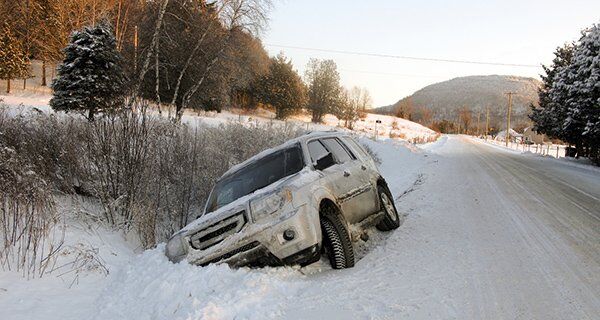
 Off Roading in the Tetons Requires Proper Tires | Photo Greg Von Doersten Mountain Weekly News
What Makes All-Terrain Tires Effective for Off-Road Driving Conditions

All-terrain tires are designed to lessen the gap between paved comfort and off-road capability. They help drivers to drive, whether it is on modern, clean roads or ones covered with dirt, gravel, mud, and snow, without swapping rubber for every trip.
Each of these tires is made to provide good traction, endure on roads for years, and maintain stability. So, if you are thinking of buying all-terrain tires for your vehicle, read on and gain valuable insights about them.
Size, Fitment, and Real-World Use
Choosing the correct size and fitment is foundational to safe off-road performance. A good range of all-terrain tires is meant to improve the distribution of loads more effectively on loose surfaces. Thus, they are the most effective for increasing flotation and traction.
While looking at such tires, make sure to verify clearance and steering sweep. Do not forget about suspension travel. Taking these factors into consideration can prevent rubbing and ensure wheel offset compatibility. Check your vehicle’s manufacturer recommendations and confirm load and speed ratings to keep the warranty intact or face performance issues in the long run.
Tread Geometry: Blocks, Voids, and Sipping
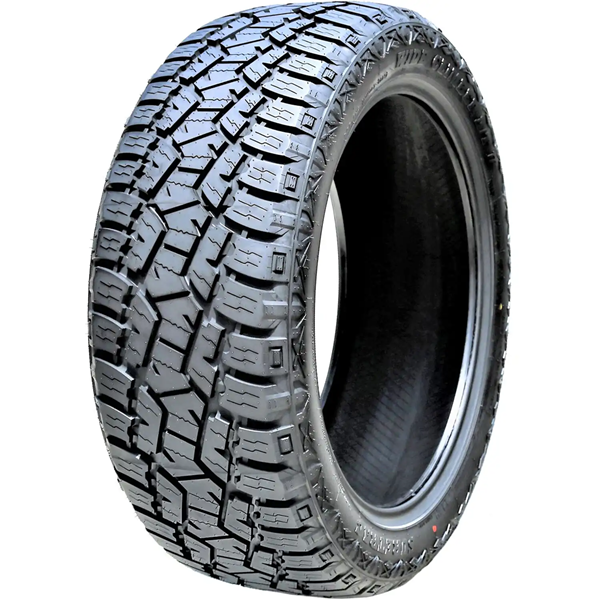
The tread patterns of all-terrain tires, which are the lines, zig-zags, or gaps you see on the tires, are a mix of interlocking blocks, varying void ratios, and strategic sipping to balance biting edges with self-cleaning abilities.
Wider and spaced-out patterns are made for side traction. They are perfect for off-road driving because rocks, gravel, and mud loosen from them quickly and with ease, giving your more stability on rugged terrains or highways.
Sipes increase grip on wet or snowy surfaces, and properly sized voids help eject mud and stones, preventing pack-up that reduces traction in the most demanding off-road situations.
Compound and Carcass Construction
The compounds and internal construction of the tires are what make them durable and heat-tolerant. Quality all-terrain tires have dense rubber blends and reinforced belts. They can easily tackle cuts and punctures from rocks and debris.
Multi-ply sidewalls and stronger bead designs reduce the risk of damage when airing down for better traction. But there is a catch. While these tires are robust and suitable for on-and-off-road driving, they may not be as smooth. It is a small compromise you can easily make because they maintain structural integrity under heavy use and prolonged exposure to rough terrain.

Sidewall Design and Protection
As the name suggests, sidewalls in all-terrain tires come in the form of ribs, stone ejectors, and additional ply packages. They are added to reduce abrasion and impact while you drive. They also minimize bulging under load. Sidewalls are not only for protection, but they also make the tires look good.
Water Evacuation and Hydroplaning Resistance
Effective water evacuation is imperative even off-road because many trails include flooded sections and wet roots. All-terrain designs incorporate circumferential grooves and lateral channels to channel water efficiently, reducing hydroplaning risk on wet pavement.
Even the National Highway Traffic Safety Administration (NHTSA) says that proper tire maintenance and selection are integral for safe vehicle handling in wet conditions.
Seasonal Use and Correct Storage
The driving conditions change with every season. You should prepare for safe travel in all kinds of seasons. If you alternate between seasonal tires, proper storage and labeling preserve performance and rotation history.
Make it a habit to keep tires not in use in a cool, dry place away from sunlight. You should stack mounted tires upright on racks or hang them as recommended. Also, use a label note where the tire was placed when you took it out. It will help you rotate them when you do choose to put them back.
Maintenance, Repair, and Longevity
If you are someone who is an avid off-road driver, the tires of your vehicle must be long-lasting and easy to repair. Go for tires with robust builds, and consider models that support patch-and-plug repair. Also, always keep an eye on marks, cuts, and uneven wear patterns to help catch problems before they become larger issues.
Final Thoughts
All-terrain tires, such as 33X12.50R20 tires, are well-liked and bought often because they offer multiple features in a single package. With these tires in your vehicle, you can go on impromptu adventure trips when you need time off from your daily life.
Related Automotive Must Have Gear
