
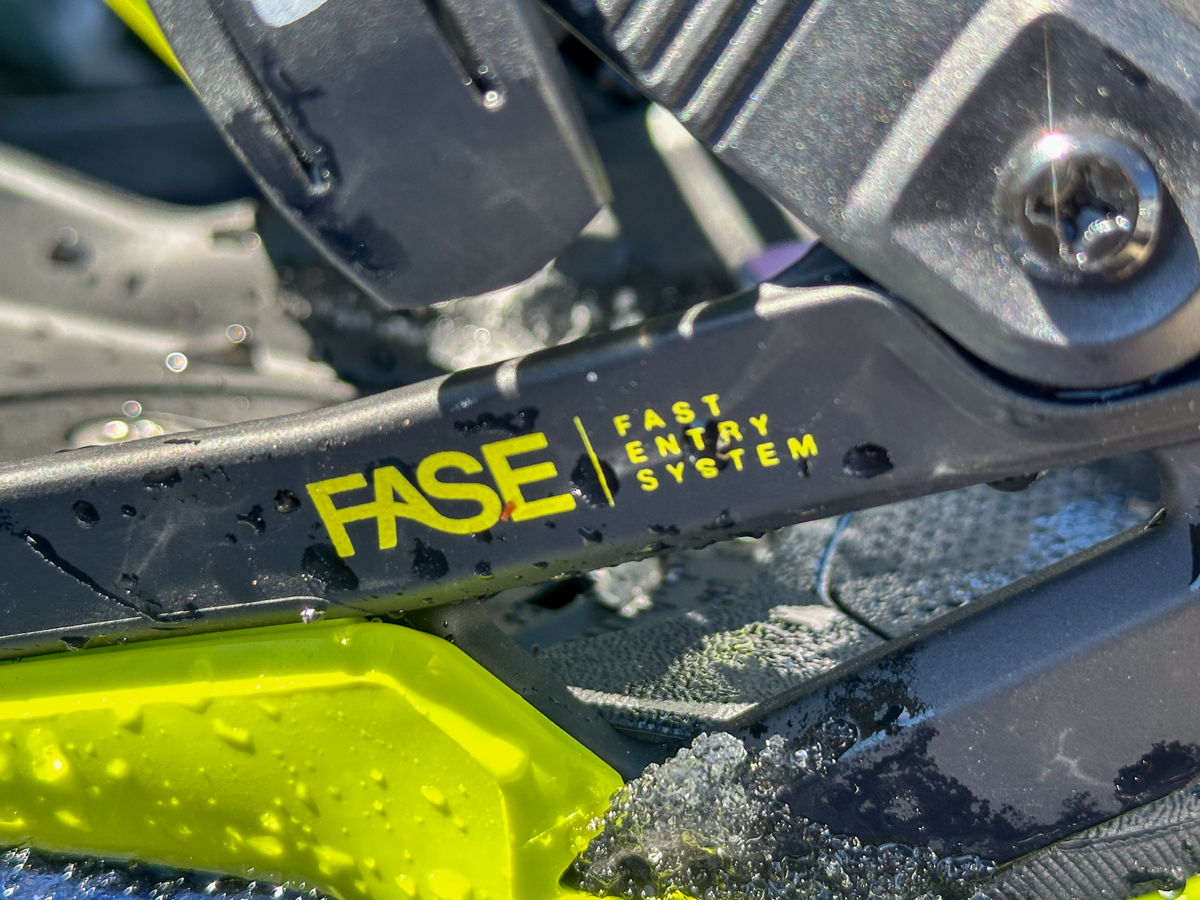
 Testing out the New Jones Mercury FASE Binding | Photo Mike Hardaker Mountain Weekly News

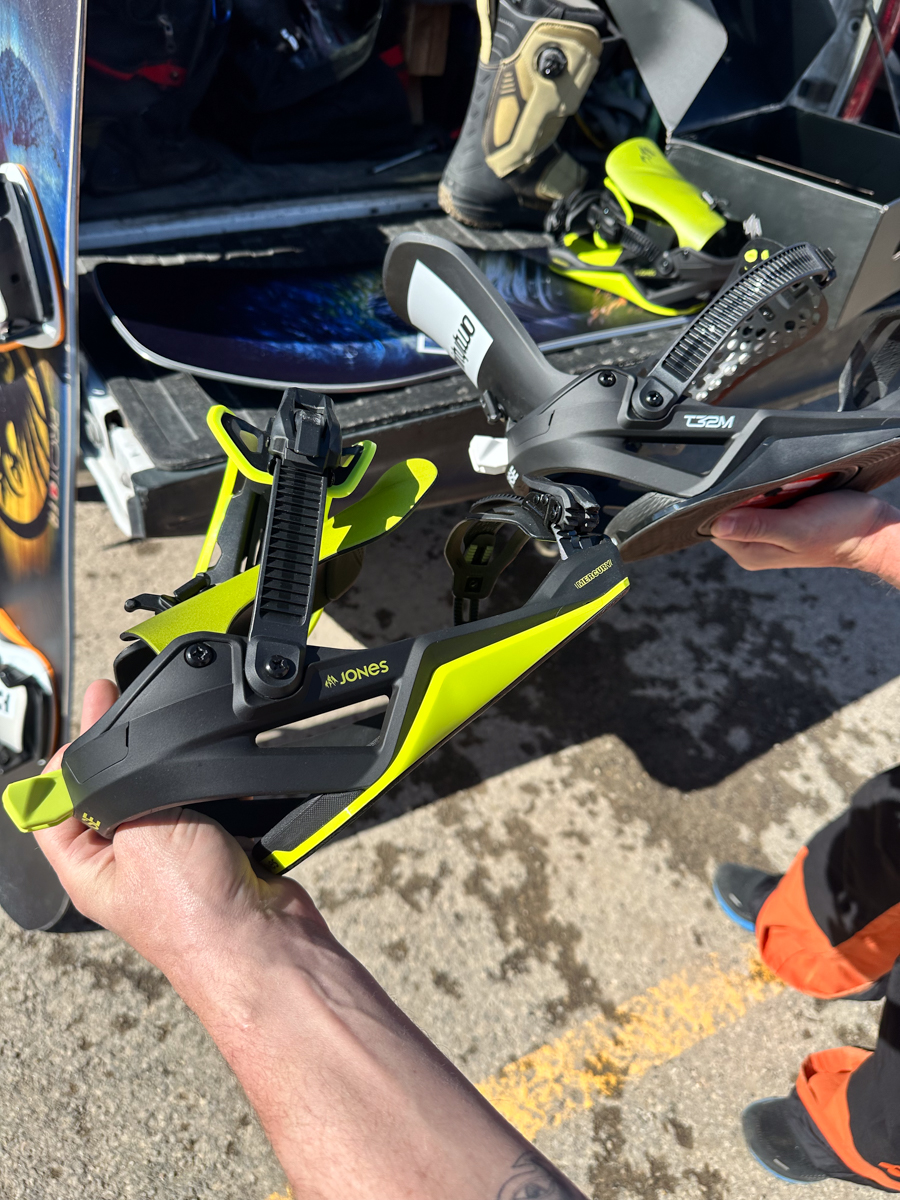
After spending decades running traditional straps, I was curious to see how Jones Snowboards would integrate the new FASE technology into their lineup. Built on the back of the NOW Binding design, the Jones Mercury FASE is a hybrid snowboarding binding that attempts to bridge the gap between “locked-in” response and the convenience of quick entry.
I put these to the test at Jackson Hole and Grand Targhee to see if they could handle big mountain terrain or if they were just a resort novelty.
With 17 binding reviews currently in the testing archives, I’ve distilled the absolute top performers into a definitive guide to the Best All-Mountain Snowboard Bindings.

The Fusion XR Baseplate: That Classic NOW Feel
The heart of this binding is the XR Baseplate, and honestly, it felt incredibly similar to the NOW SkateTech I’ve grown to love. If you’ve never ridden it, it mimics a skateboard truck, allowing you to “rally” and pump through turns. It gives you that fun rocking feeling from heel to toe that makes the board feel like a natural extension of your feet.

I grew up surfing and this is about as close to that feeling as you can get with your feet strapped in.

One thing I noticed is the dampening. Like traditional NOW bindings, these use bushings for flexibility and shock absorption. However, while traditional NOW bushings are removable, the FASE system’s dampening foam on the Jones Mercury (and the ThirtyTwo FASE Binding) is attached directly to the bottom of the baseplate. It provides a very surfy, skate-like dampening that absorbs board chatter exceptionally well, though it lacks the customization of the original NOW bushings.

The FASE System Explained: New Tech for Old Snowboarders
The FASE (Fast Entry) system is a unique hybrid design that sits somewhere between a traditional strap binding and a full step-in system. It isn’t a Step On, and it isn’t a fully automatic step-in; instead, it uses a drop-down highback called the AutoBack and a “Wrap Tech” ankle strap that stays connected to the ratchet at all times.
Another new piece of snowboard tech to make a comeback of sorts is the old school Step On system. Burton and Union teamed up on this, learn more in our Union Atlas Step On Binding Review.
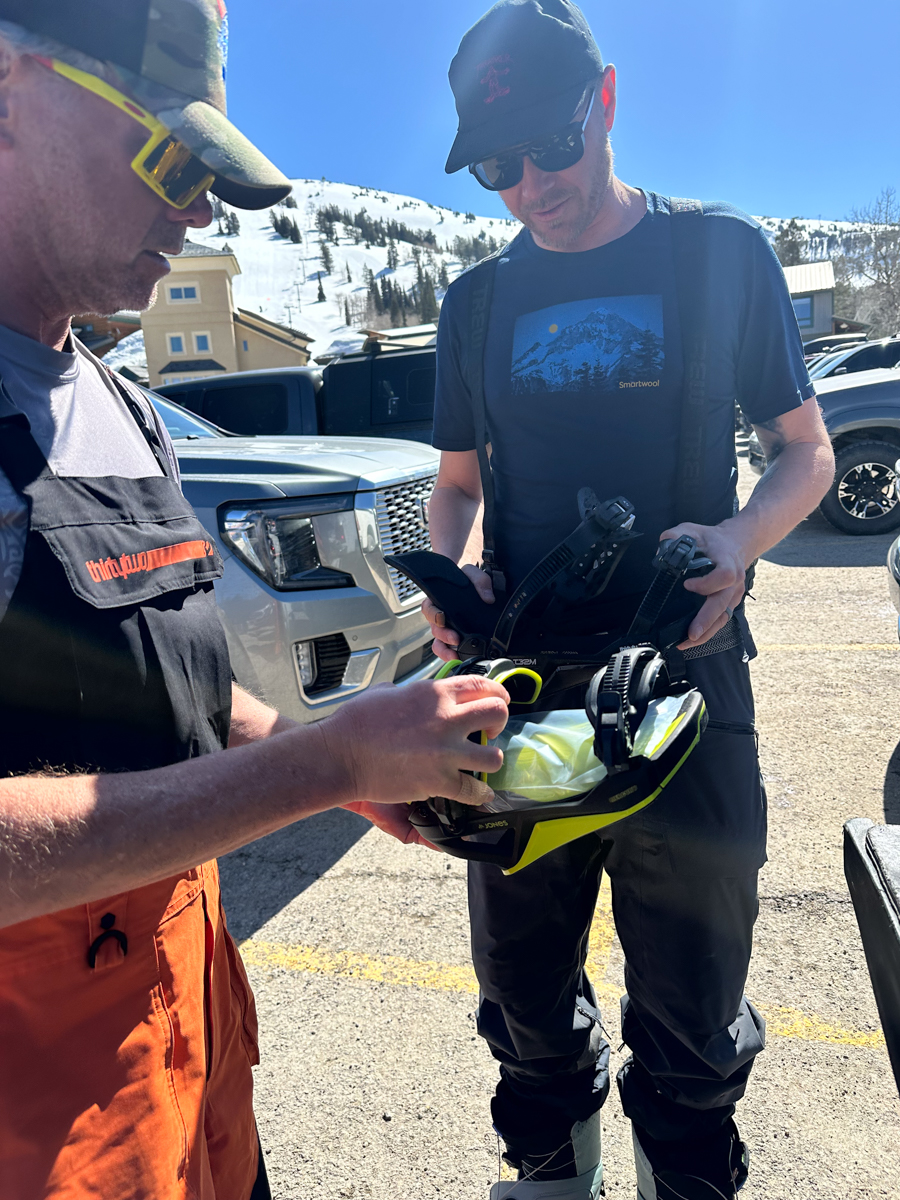
As an old-school rider, it took me a little while to get used to the new workflow. Rapid change is hard, and here we are. You essentially leave the straps connected, slide your boot into the frame, (the highback pops up into place), and give the ankle ratchet a quick crank to tension it. The toe strap is designed to be “set and forget,” catching the front of your boot automatically as you slide in.
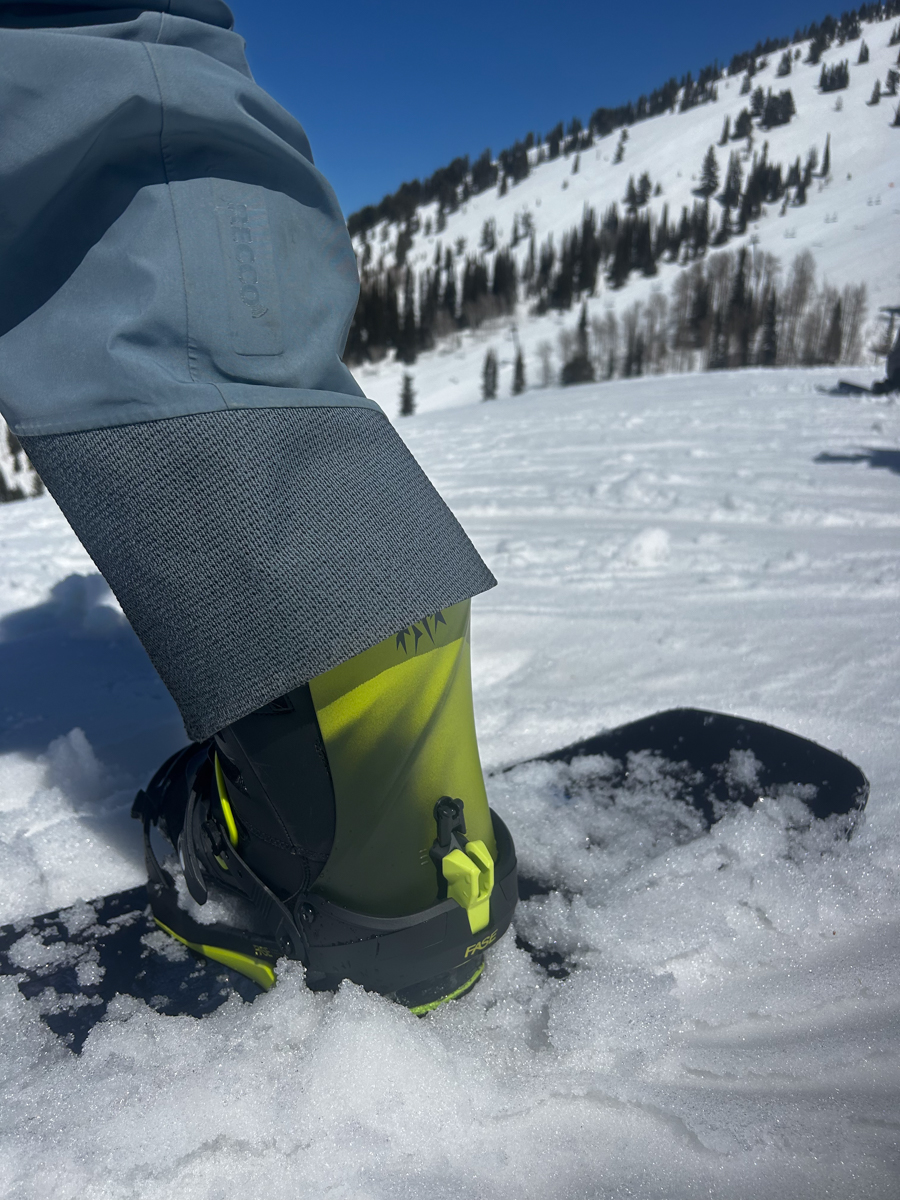
While the tool-less adjustment levers can be a bit stiff and hard to open at first, they feel rock solid once you lock them down. The real convenience here is being able to strap in while exiting the lift without ever sitting down, which is a total game-changer for keeping your momentum through the flats. For snowboarders in a place like Vail with long traverse cat tracks, this might be a system worth checking out.

On-Snow Performance: Surfy vs. Stiff
Jones markets the Mercury FASE with a 4/5 flex rating, suggesting a mid-stiff and lively ride, but in my experience, it rode quite a bit softer than the marketing suggests. That “skate factor” really shines through because of the NOW-inspired baseplate, making this binding great at surfing powder and fun for flowy resort laps cruising groomers and even taking some park laps.
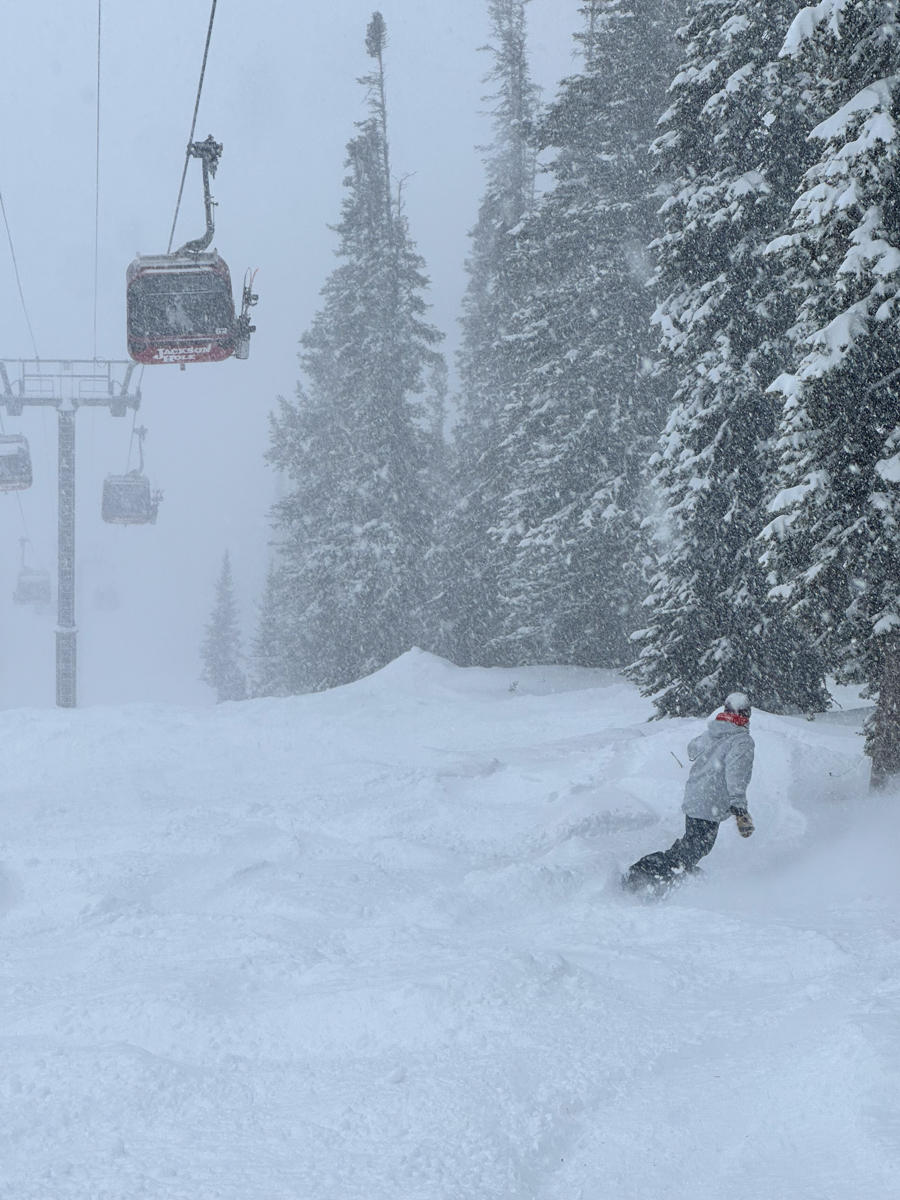
However, I did find the limits of this setup when I took it into more chewed up snow or frozen, sun-cupped terrain like the backcountry off Cody Peak. The forward lean adjustment is more limited than what you’ll find on a traditional binding, and the softer flex profile meant I couldn’t get as much bite on icy, steep faces as I could with something like a Burton Cartel X Snowboard Binding. I got bucked around a bit on these bindings when snow wasn’t untracked.
For casual riders this system works great, for your super advanced technical riders you may want to wait a year or two to see how the technology evolves.
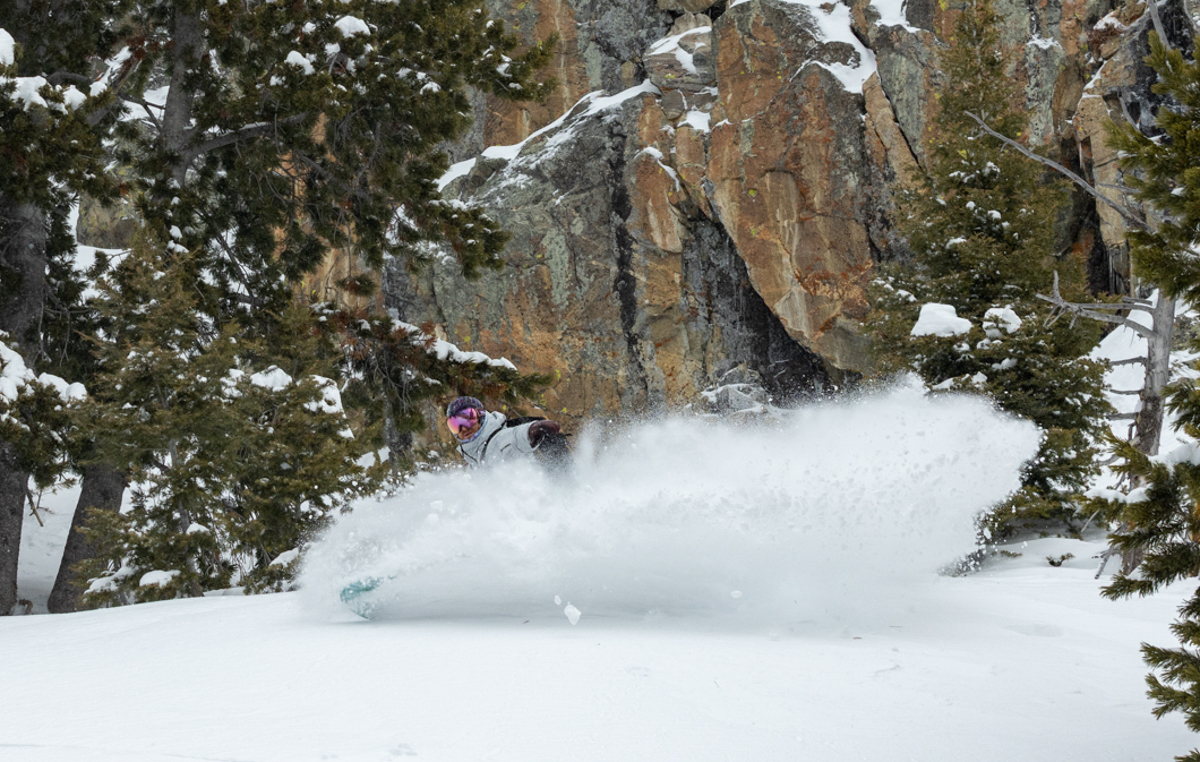
I also noticed that in deep snow, the drop-down highback can become a little finicky if snow packs into the locking mechanism. Sort of like dealing with splitboard bindings. The good news is that if the quick-entry system ever jams up in deep snow, the design allows you to use it just like a traditional binding to get moving again.
Comfort and Dampening
This is where the Mercury FASE Binding from Jones Snowboards really shines. Between the XR Baseplate and the ImpactCush Pad, the “dead spot” under your foot is virtually gone. I went bell-to-bell without any pressure points or foot fatigue. The DualFlex ankle strap is plush and follows the contour of the boot perfectly.

Pros & Cons
Pros:
-
True Strap Feel: Once you’re locked in, it feels like a high-end traditional binding, not a “system” binding.
-
Lightweight: At 870g, it’s remarkably light for a quick-entry system—significantly lighter than the Nidecker Supermatic Step On Binding.
-
Surfy Response: Excellent for pumping and carving through soft snow.
-
Universal: Works with any boot; no need for proprietary hardware.
Cons:
-
Softer Than Advertised: If you’re looking for a 10/10 stiffness, this might feel too playful.
-
Limited Forward Lean: The FASE highback doesn’t offer the aggressive forward lean angles that dedicated freeride bindings provide.
-
Learning Curve: It takes a few laps to break the habit of completely undoing your straps.
Overall Impression
At first, I was worried these bindings wouldn’t ride like the NOW chassis I’m used to, but I was wrong. It does a great job of mimicking SkateTech. The Jones Mercury FASE Snowboard Binding is a fantastic choice for the intermediate to advanced rider who wants to maximize their lap count without sacrificing that surfy, skate-like feel.
I’m excited to see how this tech evolves. It’s perfect for the rider who values flow and comfort over rigid, ice-climbing precision. If you hate sitting down to strap in but refuse to give up the feel of a real ankle strap, this is your binding.
-

 Blue Tomato€349,95Check Price
 -

 Gravity Coalition$359.95Check Price
 -

 evo$369.95Check Price
 -

 PRFO Sports$ 419.99 (CAD)Check Price
Jones also makes a non FASE version of this binding. Learn more in our Jones Mercury Binding Review.
Related FASE Snowboard Bindings TETON Tested
